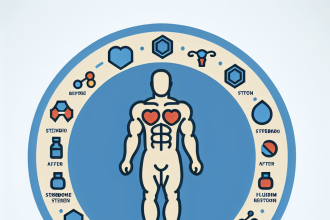


Steroids are synthetic substances similar to the male sex hormone testosterone. They are often used in sports and bodybuilding to enhance performance, but their impact on the endocrine system, particularly insulin, is significant and multifaceted. Insulin is a hormone that regulates blood sugar levels and plays a crucial role in energy metabolism.
Start your anabolic cycle with confidence – the sports pharmacology shop winstrol-for-sale.com guarantees quality, advice, and reliable delivery.
Understanding the Relationship Between Steroids and Insulin
When anabolic steroids are introduced into the body, they can influence insulin levels in several ways:
- Increased Insulin Sensitivity: Some studies suggest that anabolic steroids can enhance insulin sensitivity, allowing the cells to utilize glucose more effectively. This can lead to better energy levels and improved athletic performance.
- Altered Glucose Metabolism: Steroids can influence the way the body metabolizes glucose. Depending on the type of steroid and dosage, users may experience fluctuations in blood sugar levels, which can be detrimental if not managed properly.
- Impact on Body Composition: By promoting muscle growth and reducing body fat, steroids can indirectly affect insulin secretion. Increased muscle mass can improve the body’s overall insulin response and lower the risk of insulin resistance.
- Risk of Hyperglycemia: In some cases, especially with long-term use or high doses, anabolic steroids can contribute to elevated blood sugar levels (hyperglycemia), leading to potential health complications like diabetes.
Conclusion
While anabolic steroids can have beneficial effects on muscle growth and performance, their impact on insulin levels should not be overlooked. Athletes and bodybuilders must understand these effects to mitigate potential health risks associated with steroid use. Proper management of diet and monitoring blood sugar levels during steroid cycles is essential for maintaining overall health.